Why Skill Building Matters in Education
Developing skills is a fundamental element of schooling since students require more than theoretical knowledge to succeed. They also gain from practical competencies like communication, time management, critical thinking, collaboration, and problem-solving. These abilities boost learners' performance in academic environments and ready them for upcoming career chances.
Across United States, learners typically build skills via a mix of classroom instruction, self-directed study, hands-on projects, and real-world experience. This balanced approach promotes academic success while helping students become more versatile and self-assured in varying circumstances.
Developing skills enhances a learner’s capacity to apply knowledge to real-life scenarios, making education more practical, meaningful, and valuable over the long term.
LearnQuest Education InsightCore Skills That Support Student Success
Certain skills are beneficial across nearly all subjects and settings. Clear communication helps students convey ideas effectively, while organization simplifies handling assignments, deadlines, and study habits. Critical thinking aids analysis, evaluation, and sound decision-making when dealing with new information.
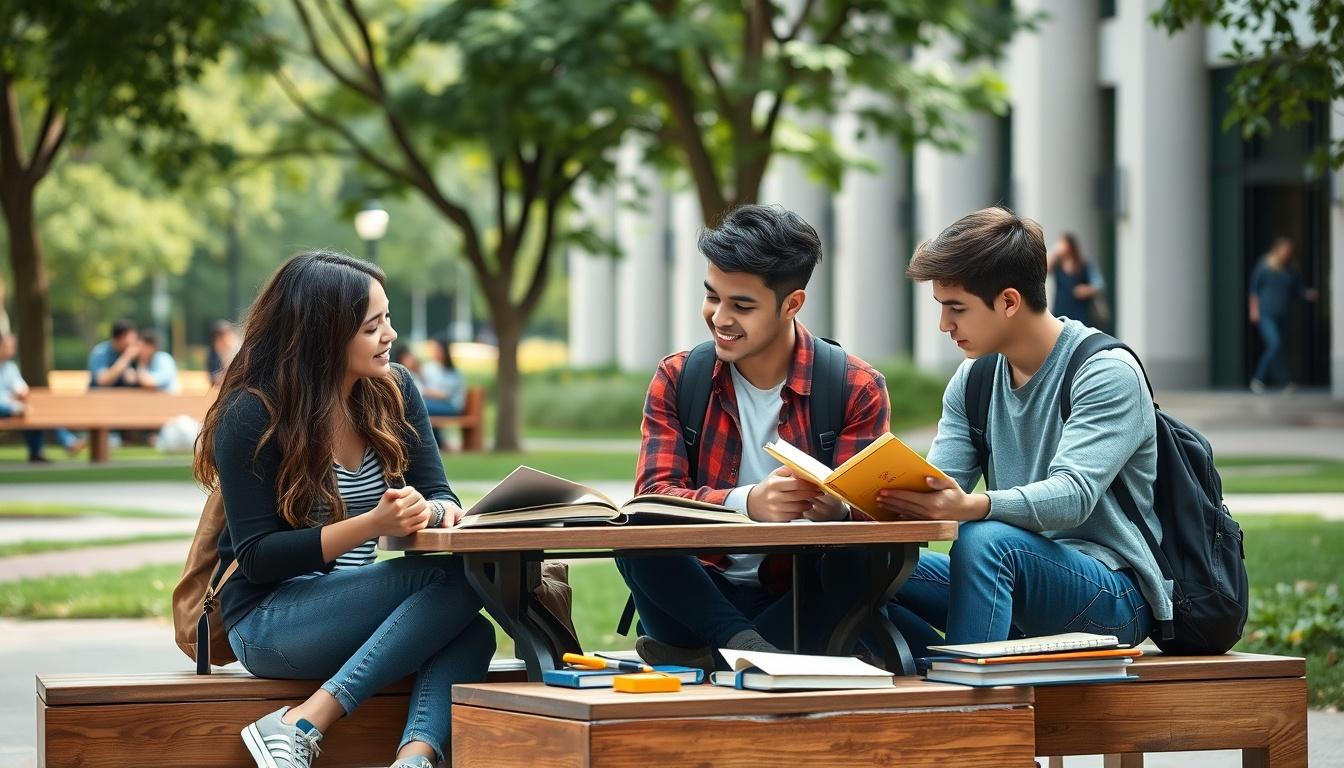
Teamwork is also becoming more vital in contemporary education. Group tasks, discussions, and joint projects teach students to listen, contribute, and solve problems collectively. These experiences bolster both academic progress and personal development.
How Students Build Skills Over Time
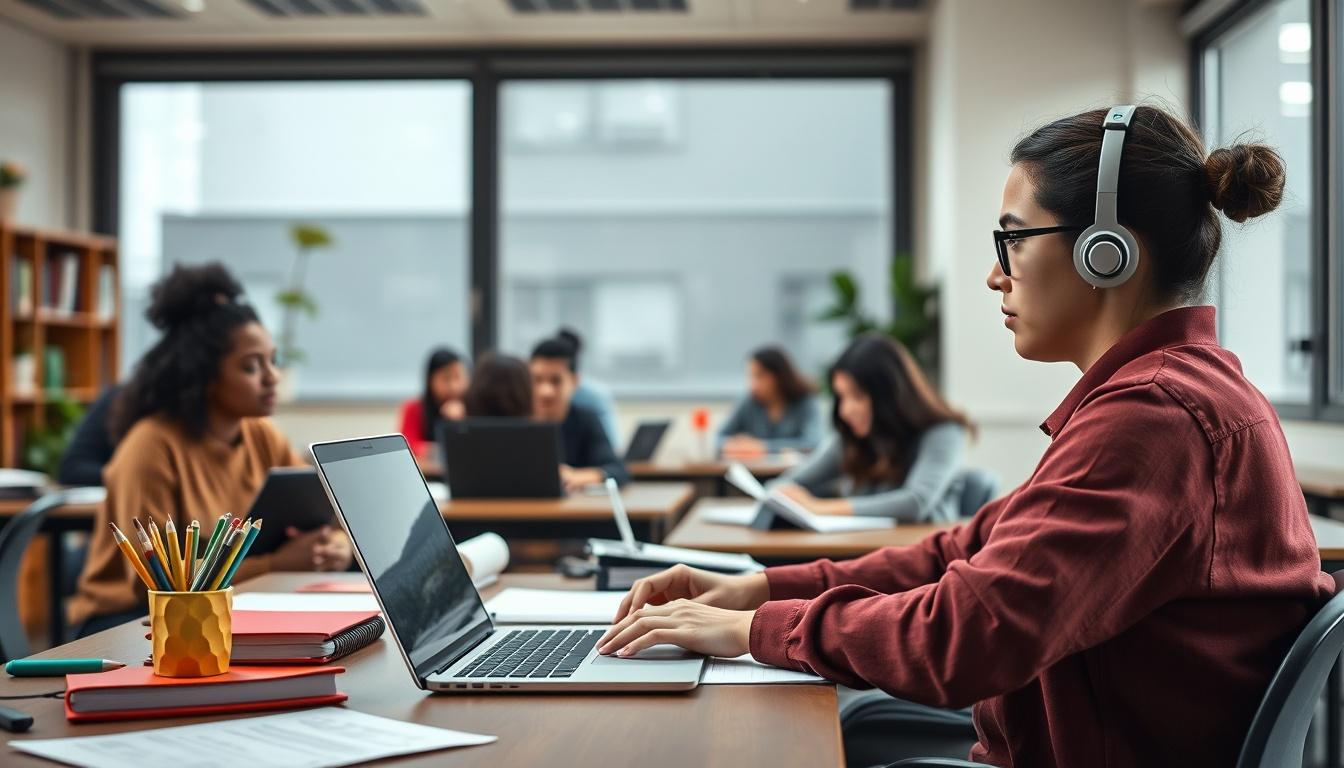
Skill development is usually a gradual process. Students improve through repeated practice, reflection, and consistent application in different learning contexts. Academic projects, presentations, independent tasks, and structured feedback all contribute to stronger abilities over time.
When students establish clear objectives and monitor their progress, they frequently gain better insight into their strengths and the areas they'd like to enhance. This self-awareness fuels motivation and encourages learners to take more ownership of their growth.
From Academic Abilities to Lifelong Growth
Skill development doesn't stop with a single course or stage of schooling. The capabilities students acquire during their studies continue to assist them in future learning, workplaces, and daily decision-making. Robust skills help learners adapt, communicate clearly, and tackle challenges with increased confidence.
Therefore, developing skills is among the most valuable aspects of education. It links knowledge to action and helps students grow not only as learners but also as capable, prepared individuals.
Last updated: July 29, 2026